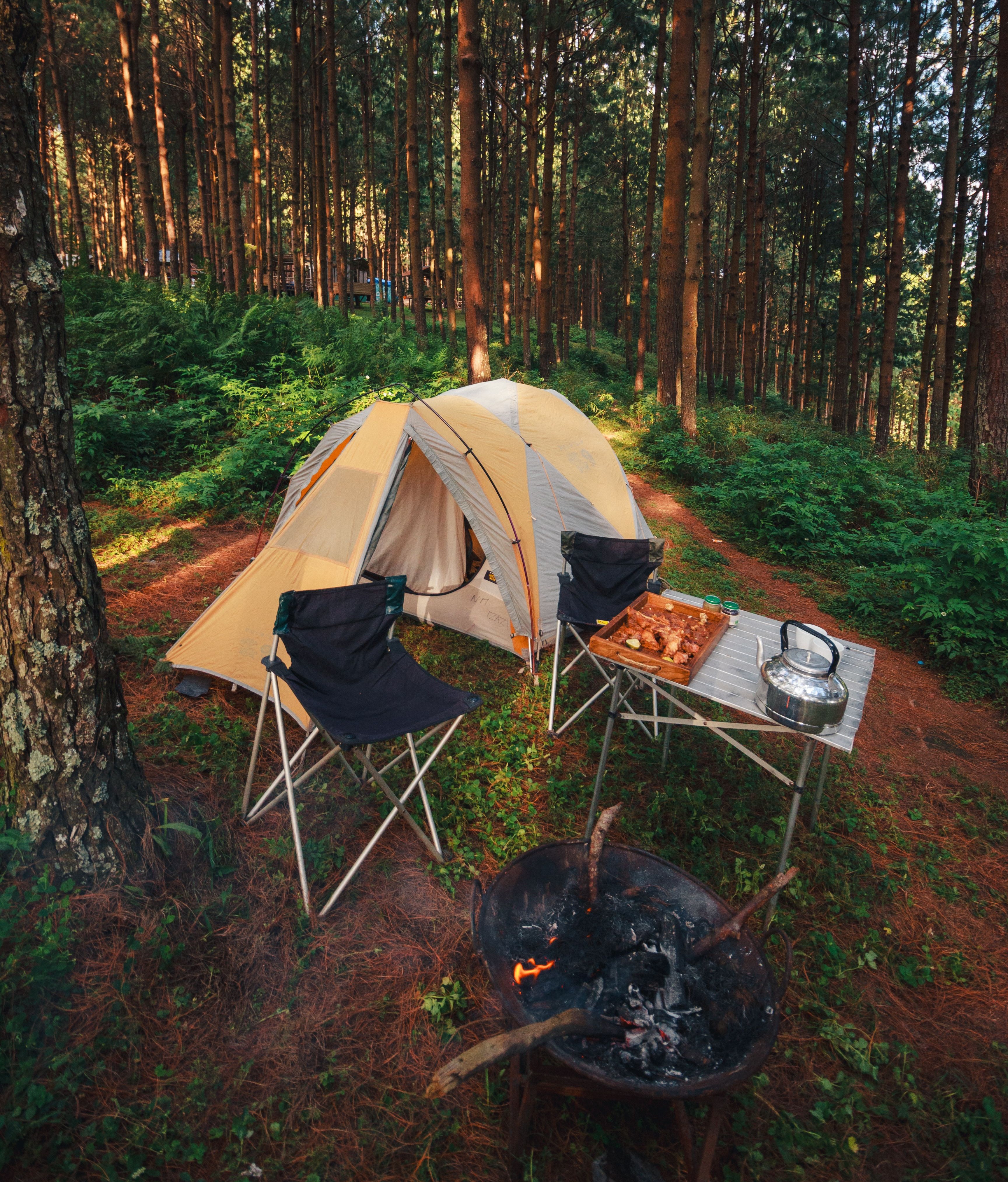
Buying a tent can feel overwhelming, especially with so many styles, materials and features available. Whether you're planning a family camping holiday, a weekend festival or a backpacking adventure, choosing the right tent will make all the difference to your comfort and enjoyment.
Here's everything you need to know before making your summer purchase.
Read our blog: Camping essentials for your summer adventures
Think About How You'll Use It
Before comparing tents, consider how and where you'll be camping. A lightweight tent for hiking has very different requirements from a spacious family tent for a campsite. Think about:
- How many people will sleep in it.
- Whether you'll carry it or transport it by car.
- How often you'll use it.
- The typical weather conditions you'll camp in.
Choosing a tent that's designed for your style of camping is often more important than simply buying the largest or most expensive option.
Understanding Tent Structures
Different tent shapes suit different types of camping.
Dome tents are one of the most popular options. They're easy to pitch, stable in moderate weather and ideal for couples, small families and weekend camping.
Tunnel tents offer excellent internal space and headroom, making them perfect for family camping or longer stays on campsites. They perform best when pitched with the narrow end facing into the wind.
Pop-up tents can be set up in seconds, making them ideal for festivals, beach trips and occasional campers. They're quick and convenient but usually offer less stability in windy conditions.
Tent Materials Explained
Most modern tents use polyester or nylon flysheets.
- Polyester is durable, holds its shape well and offers good resistance to UV rays, making it a popular choice for family camping.
- Nylon is generally lighter and stronger for its weight, making it ideal for backpacking, although it can stretch slightly when wet.
Groundsheets are usually made from tough polyethylene or coated polyester to help keep moisture out.
What Is a Hydrostatic Rating?
A tent's hydrostatic rating measures how waterproof the fabric is. The higher the number, the greater the water resistance.
For typical summer camping, a flysheet with a rating between 2,000mm and 4,000mm is suitable for most conditions. If you're expecting prolonged rain or camping in more exposed areas, a higher rating can provide additional protection.
Remember that waterproof performance also depends on well-sealed seams and a quality groundsheet, look in the product specs for things like taped seams and sewn in ground sheets for improved protection.
Weight Matters
If you're walking to your campsite or backpacking, every kilogram counts. Lightweight tents are easier to carry over long distances but often compromise the living space. With tents as light as a bag of sugar for these make ideal choices if solo or wild camping , but less suited for family holidays.
Tents vary in size and weight depending on the structure type and materials used, it’s also worth checking the packed sized to ensure you have sufficient room to pack in and everything else!
Pitching Your Tent
It’s not always possible to pitch your tent where you want, but some ground rules to check will ensure your set up as best as you can.
Choose flat, well-drained ground and avoid dips where rainwater may collect. Look for natural shelter from strong winds without pitching directly beneath trees, where falling branches or sticky sap can become a problem. Check the ground for any hard debris like sticks before setting your tent.
In warm weather, partial shade during the afternoon can help keep the inside of your tent cooler.
Looking After Your Tent
A little care and attention will help your tent last for many summers.
First and most important. Always allow your tent to dry completely before packing it away, this will prevent mould and mildew build up that could ruin your tent. If you do need to put it away damp, it’s recommended to get the tent out at the next opportunity to let it dry fully.
Also make sure to brush off dirt before storage and store it somewhere cool and dry.
Keep zips clean and avoid forcing them if they snag. Often, gently reversing the zip will free trapped fabric without causing damage.
Read our full blog: Tent care for festival lovers
Common Problems and Simple Solutions
Condensation
Condensation is one of the most common camping complaints. It's caused by warm, moist air meeting the cooler tent fabric rather than by leaks.
Ventilation is key by opening vents and allowing air to better circulate will help, also avoiding drying wet clothing inside the tent whenever possible.
Leaks
If you notice water getting inside, first check whether it's condensation rather than a genuine leak.
Next check the location of the water and make sure your inner and flysheet are not being pushed together, as this allows water / rain to transfer between the outside and inner living areas.
Finally inspect seams, guy line tension and the groundsheet position. Reproofing sprays can help restore waterproof performance as tents age.
Keeping Cool
During hot summer weather, open doors and vents whenever possible to encourage airflow. If possible, pitching in partial shade and avoiding direct afternoon sun can make sleeping far more comfortable.
Final Thoughts
The best tent is the one that suits your style of camping. When considering the different styles, you are more likely to choose a shelter that keeps you comfortable throughout the summer.
Take the time to pitch it correctly, look after it between trips and deal with small issues early, and your tent should provide many seasons of reliable outdoor adventures.