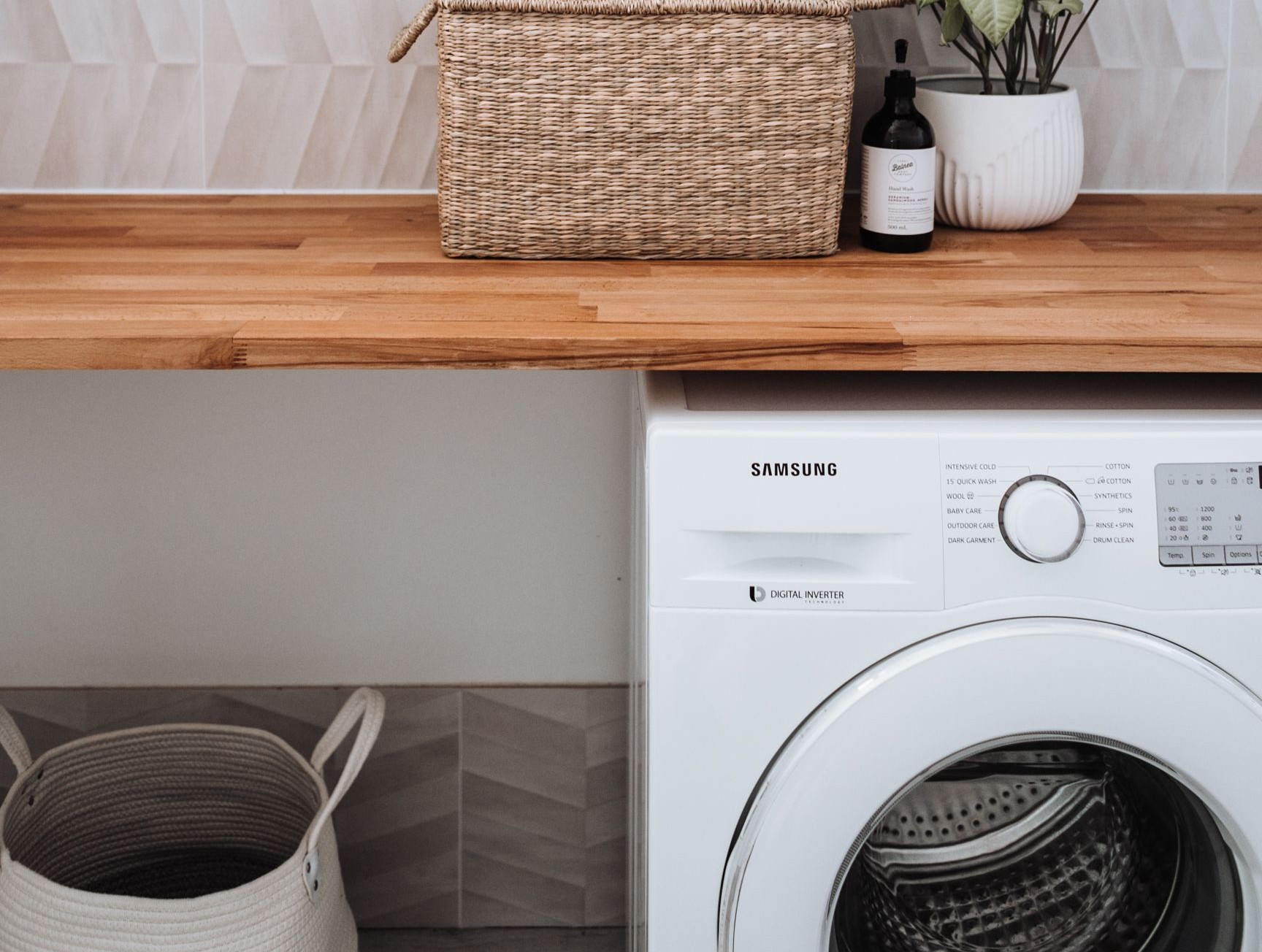
Smart appliances are becoming more common in our homes. From washing machines and tumble dryers to dishwashers and fridge freezers, many now offer features designed to make everyday tasks easier.
But can smart technology help you reduce your energy bills? And are the extra features worth paying for? Here is what you need to know about smart appliances and how to use them more efficiently.
What are smart appliances?
Smart appliances connect to your home Wi Fi and can be controlled or monitored using a mobile app. Depending on the model, you may be able to start a cycle remotely, receive a notification when it finishes or schedule your appliance to run at a particular time.
Some connected appliances also provide information about energy consumption, estimated running costs and ways to reduce energy use. Others offer maintenance reminders to help you keep your appliance working effectively.
Not every model has the same features, and connecting an appliance to Wi Fi does not automatically make it more energy efficient.
Can smart appliances help reduce energy bills?
Some smart appliances provide energy reports to help you understand how much electricity you use. This can make it easier to spot habits that could be costing you more, such as running frequent small loads or using a tumble dryer when it is not necessary.
Certain models also offer energy saving settings that adjust programmes to reduce consumption. You may notice some of these eco modes run for very long times, so make sure you factor this in when using them. Also, it may seem strange that Eco modes tend to have longer cycles, but this is intended as they use far less power run at slower speeds and temperatures, making overall less that a standard cycle.
A great benefit of smart appliances can be if your electricity tariff has cheaper off-peak periods. Smart scheduling features can help you run suitable appliances when electricity costs less.
Some apps even compare your energy use with typical usage from other households or provide targets to help you monitor your consumption. However, savings are not guaranteed. They depend on your appliance, electricity tariff, available features and suitability to your general household schedules.
Which appliances use the most energy?
Tumble dryers can be one of the more expensive household appliances to run, particularly conventional condenser and vented models. Heat pump tumble dryers generally use less electricity, although they can cost more to buy initially.
Features such as sensor drying - where available - can help prevent clothes from being dried for longer than necessary. Maintenance and cleaning of lint filters and other accessible components according to the manufacturer's instructions can also help maintain performance.
Washing machines use electricity to heat water, so washing at a lower temperature when suitable can help reduce consumption. Eco programmes are designed to use less energy and water, although they often take longer.
Dishwashers can also benefit from eco programmes and the use of half loads where practical to bring down consumption. Meanwhile, fridge freezers run 24 hours a day, so choosing an efficient model and following the recommended temperature and ventilation guidance can help manage ongoing energy use.
Simple ways to save energy at home
You do not necessarily need to buy a smart appliance to start reducing energy consumption. Small changes to your everyday routine can help.
Choose eco programmes. These are designed to reduce energy and water use, although cycles may take longer.
Avoid unnecessary cycles. Plan your laundry and dishwasher loads to make better use of each cycle.
Use lower temperatures. Wash clothes at cooler temperatures when suitable for the fabric.
Maintain your appliances. Clean filters and carry out routine maintenance as explained in the instruction manual.
Make use of scheduling. If your electricity tariff offers cheaper periods, running suitable appliances during these times could reduce costs.
Check energy reports. If your appliance provides usage information, review it to identify opportunities to make changes.
Are smart appliances worth it?
Smart appliances can make it easier to monitor energy use, manage household tasks and receive helpful reminders. However, connected features can increase the purchase price, and some functions require an app, an account and a Wi-Fi connection.
When choosing a new appliance, compare its energy label and expected running costs alongside its purchase price, then compare these across other appliances to give you the best picture for a purchase. A more energy efficient appliance without smart features could cost less to run than a connected model.
Ultimately, smart technology can make life a bit easier and help you understand your energy consumption, but it is not a guarantee of lower bills. Choosing an efficient appliance, using suitable programmes and keeping it well maintained are the most practical ways to help manage your household appliance energy costs.