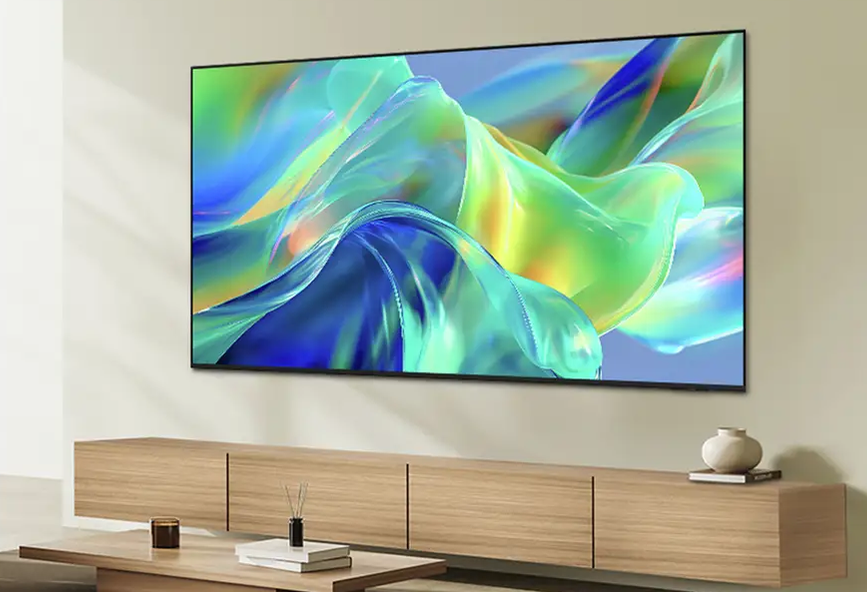
If you are looking for a new television, you may have come across the term Mini LED. It is becoming an increasingly popular TV technology, with more manufacturers introducing it across their television ranges. But what exactly is Mini LED, how does it compare with other screen types and is it worth considering?
Let's take a closer look at how it works and what benefits it can offer.
What is a Mini LED TV?
Mini LED is an improved type of LED television technology. It uses thousands of much smaller LED lights behind the screen to create the picture.
These lights are grouped into sections called dimming zones. Each zone can be controlled separately, allowing the TV to make certain areas brighter while keeping others darker.
For example, when watching a film with a dark background and bright lights, Mini LED can show both areas more clearly. This helps improve contrast, brightness and picture detail.
Traditional LED TVs use larger backlights with fewer dimming zones, meaning they cannot control light as precisely.
What is the difference between LED, Mini LED and OLED?
Although they may sound similar, these television technologies work differently.
LED TVs use a backlight to illuminate the screen. They are widely available and often a more affordable option but may struggle to show darker scenes with the same level of detail.
Mini LED TVs use much smaller backlights and more dimming zones. This gives them better control over brightness and contrast, helping to produce a clearer picture.
OLED TVs work differently because each pixel produces its own light. Individual pixels can switch off completely, creating deeper blacks and excellent contrast.
A Mini LED can be a good choice for brighter rooms, while OLED is often popular with people who enjoy watching films in darker surroundings.
Are Mini-LED TVs becoming more popular?
Yes. Mini LED technology is becoming more widely available, with manufacturers introducing it across different screen sizes and price ranges.
Brands offering Mini LED televisions include Sharp, Hisense, TCL, Samsung and LG. Some manufacturers use different names for the technology. For example, Samsung uses Neo QLED for many of its Mini LED televisions, while TCL and Hisense offer QD Mini LED models.
Do Mini LED TVs use more electricity?
Not necessarily. Although Mini LED TVs can produce brighter pictures, this does not automatically mean they cost more to run.
Energy consumption depends on the television's screen size, brightness settings, picture mode and how often it is used. Watching HDR content can also increase electricity consumption.
Before buying, check the energy label to compare estimated running costs. Remember to look at both standard viewing and HDR energy ratings where available.
Is a Mini LED TV worth considering?
Mini LED offers several benefits, including improved brightness, better contrast and more detailed pictures. It can be particularly useful when watching films, sport or playing games in a bright room.
However, the best choice depends on your budget and viewing habits. OLED may offer better black levels, while a traditional LED TV could still be suitable for everyday viewing.
When choosing a new television, consider the screen size, picture quality, refresh rate and energy rating alongside the display technology. This will help you find a TV that suits your home and viewing needs.
View the range here