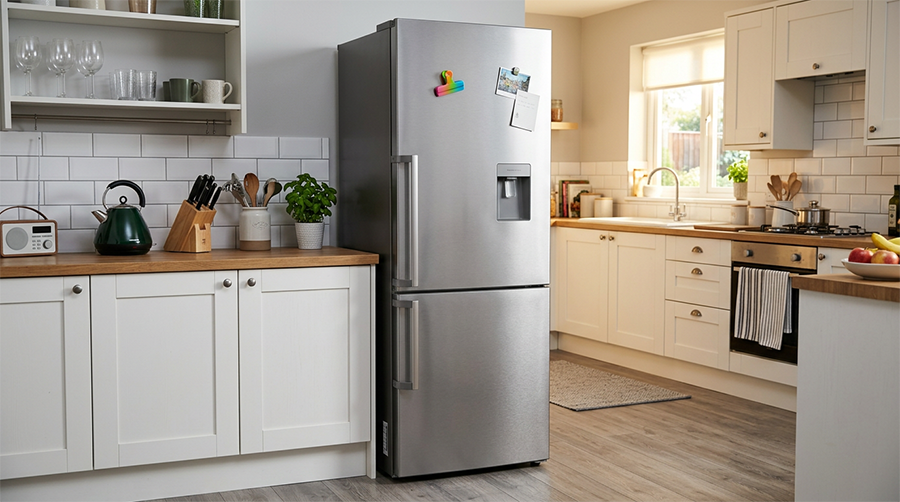
With temperatures rising to the levels they have been this week, did you know your fridge and freezer have to work much harder to keep things cool? You may hear compressors working overdrive or new and strange noises coming from the fridge. It’s completely normal for appliances to behave a little differently during extreme heat, but there are simple steps you can take to help them perform at their best.
Following a few simple checks, you could help your fridge and freezer perform better in a heatwave.
First off Leaks
Noticed a Leak? Don’t Panic!
If your fridge appears to be leaking, don’t immediately panic it’s given up. This leaking can often be linked to increased condensation caused by the warmer weather.
Check the drip tray located at the back of your appliance. Usually this wouldn’t be necessary, although in hot weather more water collects here as part of the cooling process.
Regularly check the drip tray and if necessary, empty it to prevent the water overflowing.
Keep an Eye on Room Temperature
Higher room temperatures can affect how efficiently your appliances cool.
Check that there is enough space between the appliance and that the room is well ventilated and refer to the instruction manual for the specified clearance measurements.
Check that the grilles on the back of the appliance are clear to aid ventilation.
Avoid Direct Sunlight
If your fridge is positioned in direct sunlight, this will significantly reduce its efficiency.
If it's possible close curtains or blinds in the room to help reduce the room temperature.
Or if possible, move the appliance into a more shaded location, but check your instruction manual for the procedure required when moving or relocating your appliance.
Even a small change in temperature can make a difference.
Don’t Overload Your Fridge or Freezer
It might be tempting to stock up on frozen treats, but overloading your appliance can restrict airflow. Cold air needs to circulate to freeze food properly. Try and keep some space between food to allow the cold air to flow freely. Food packed tightly against the walls can also reduce performance.
The same principle applies to your fridge. To keep your food properly chilled, it’s important to allow enough room for air to move around inside.
Keeping it shut
It is advisable to minimise the frequency of opening the refrigerator or freezer door, especially during hot weather. Each time you open the door this allows warm air to enter and increases the appliance’s workload in maintaining an appropriate internal temperature.
Final Thoughts
In extreme temperatures, even well-functioning appliances can struggle to maintain peak performance. In many cases, any changes you notice are temporary and linked to the heat rather than a fault.
But by making a few simple adjustments, you can help your fridge or freezer cope better during a heatwave.