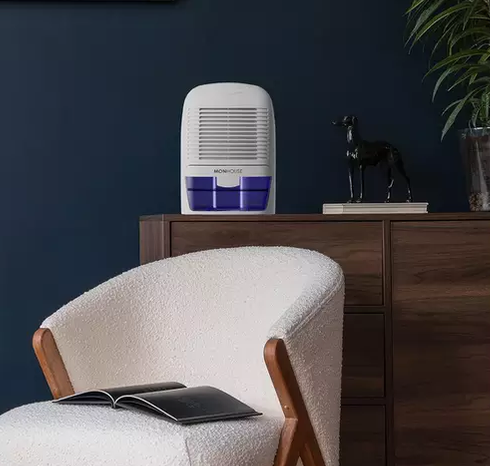
As the weather gets cooler, condensation and excess moisture can become more noticeable around the home. Steamy bathrooms, damp windows and clothes drying indoors can all add moisture to the air.
If you are looking for a simple way to manage moisture, you may have come across moisture traps and dehumidifiers. But what is the difference, and which one is right for you?
What is a moisture trap?
Moisture traps are a simple, low cost option for collecting excess moisture from the air. They usually contain crystals or granules that absorb moisture, which then collects in a container.
They are useful in smaller spaces such as cupboards, wardrobes, caravans or rooms that are not used regularly. They are also easy to use, as they do not need electricity.
The main benefit is the low running cost. Once purchased, there is no electricity to pay for, although the absorbing crystals or refills will need replacing when they are used up.
What about a dehumidifier?
A dehumidifier uses electricity to remove moisture from the air and collect it in a water tank. Some models can also be connected to a continuous drain, depending on the model and setup.
They are a better option when you need to manage moisture across a larger room or want more control. Many have humidity settings, timers and different operating modes, making it easier to adjust how they work around your home.
A dehumidifier can also be useful when drying clothes indoors, as it can help remove some of the moisture released into the air.
Read our blog: The Great Laundry Dry-Off! Heated Airer vs. The Dehumidifier
How much does a dehumidifier cost to run?
A dehumidifier uses electricity, so the cost will depend on the model, how powerful it is and how often you use it.
For example, a dehumidifier can cost around 5p to 10p an hour to run. If you used it for 8 hours a day, this could work out at around 40p to 80p a day. Over a full year, that could be roughly £146 to £292 if it was used every day.
You may not need to run your dehumidifier for this long. Many models have timers or automatic settings that stop the appliance when the room reaches the right humidity level. This can help keep running costs down.
A moisture trap does not need electricity, but you will need to replace the moisture absorbing crystals or refills when they are used up. Depending on how quickly they fill depends on how regular they need replacing. This makes them a simple option for smaller spaces where you only need a small amount of moisture control.
Always check the energy rating and power consumption before buying.
The pros and cons
Moisture traps
Pros | Cons |
|
|
Dehumidifiers
Pros | Cons |
|
|
Which one should you choose?
For a cupboard, wardrobe or small space, a moisture trap could be all you need. If you regularly experience condensation or want to manage moisture in a larger room, a dehumidifier may be more suitable.
Whichever option you choose, remember that moisture control is only part of the solution. Good ventilation, using extractor fans and avoiding drying wet clothes in poorly ventilated rooms can also help reduce excess moisture.
Always follow the manufacturer's instructions and check the recommended room size and settings before using your appliance.