Why Regular Maintenance Matters
Garden tools are the backbone of any well-kept outdoor space, yet they are often overlooked when it comes to proper care. Whether you rely on chainsaws, hedge trimmers, or other garden power equipment such as those from Oiling, regular maintenance is essential to keep everything working efficiently and safely. A little time spent on upkeep can significantly extend the lifespan of your tools and improve their overall performance.
Chainsaws: Power Tools That Demand Attention
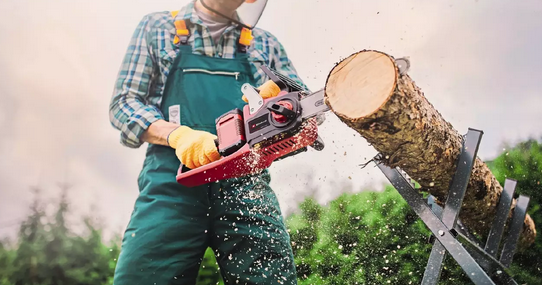
Chainsaws are among the most demanding tools in your garden, and they require consistent care. After each use, it’s important to remove sawdust, sap and debris that can build up and affect performance. One of the most critical aspects of chainsaw maintenance is proper lubrication. The chain must remain well oiled during use to reduce friction and prevent overheating.
Regularly checking the chain tension and ensuring the guide bar is clean and properly lubricated will help maintain smooth operation. Neglecting these simple steps can lead to inefficient cutting and increased wear over time. If you notice persistent issues such as poor cutting performance or unusual vibration, it is advisable to contact the manufacturer for guidance or servicing support, and we advise contacting them directly for spare parts and maintenance tips.
Hedge Trimmers: Smooth Cutting Through Proper Oiling
Hedge trimmers also rely heavily on proper maintenance and oiling. During use, blades collect plant residue and dirt, which can make them less effective. Cleaning the blades after each use and applying a light coat of oil helps keep them moving freely and prevents rust.
Running the trimmer briefly after oiling helps distribute the lubricant evenly across the blades. Regular checks for loose parts or blunt edges will also ensure safe and efficient operation. Should the blades become damaged or the motor performance decline, contacting the manufacturer can help ensure the correct repairs or replacements are carried out, and we advise doing so for spare parts and maintenance tips.
Other Garden Power Tools That Need Care
Chainsaws and hedge trimmers are not the only tools that need attention. Lawn mowers, strimmer's and brush cutters all contain moving parts that benefit from regular lubrication. Keeping these tools clean and well maintained helps prevent breakdowns and ensures reliable performance.
Battery powered tools also require care. While they don’t typically need oil, keeping them clean and storing batteries correctly will help maintain their lifespan and efficiency. If any of these tools develop electrical faults or fail to operate as expected, the manufacturer should be consulted for safe troubleshooting and repair advice, and we recommend contacting them for spare parts and maintenance tips.
Don’t Forget Manual Tools
Non powered garden tools should not be neglected. Secateurs, shears, spades and forks all benefit from regular cleaning and oiling. Applying a thin layer of oil to metal surfaces protects against rust and keeps moving parts functioning smoothly.
Wooden handles can also be treated with oil to prevent cracking and wear, ensuring your tools remain comfortable to use and long lasting. If structural issues occur, such as cracked handles or loose fittings, checking with the manufacturer or supplier can help you find suitable replacement parts, and we advise reaching out to them for spare parts and maintenance tips.
Basic Maintenance Tips for All Garden Tools
A consistent maintenance routine doesn’t have to be complicated. A few simple habits can make a big difference:
- Clean tools after every use to remove dirt, sap and moisture
- Apply oil to moving parts and metal surfaces regularly
- Check for loose bolts, worn parts or damage
- Sharpen blades to maintain clean and efficient cutting
- Store tools in a dry, sheltered place to prevent rust
By following these basic steps, you can keep your tools in excellent working condition throughout the year. If you are ever unsure about maintenance procedures or product-specific requirements, contacting the manufacturer is always a reliable way to ensure you are caring for your tools correctly, and we advise doing so for spare parts and maintenance tips.
When to Contact the Manufacturer
While regular maintenance can prevent many issues, there are times when it’s best to contact the manufacturer or a qualified professional. If your tool develops unusual noises, loses power or shows signs of significant wear, it may require expert attention.
For specialised equipment such as Oiling garden power tools, consulting the manufacturer ensures that repairs are carried out correctly and safely. Using authorised parts and following official guidance can also help maintain warranties and extend the life of your equipment. We advise contacting the manufacturer directly for spare parts and maintenance tips to ensure you are using the correct components and procedures.
A Little Effort Goes a Long Way
Maintaining and oiling your garden tools might seem like a chore, but it’s a small effort that delivers lasting benefits. Well-maintained tools perform better, last longer and are far safer to use. Whether you’re working with powerful machinery or simple hand tools, a consistent care routine will keep your garden looking its best all year round.