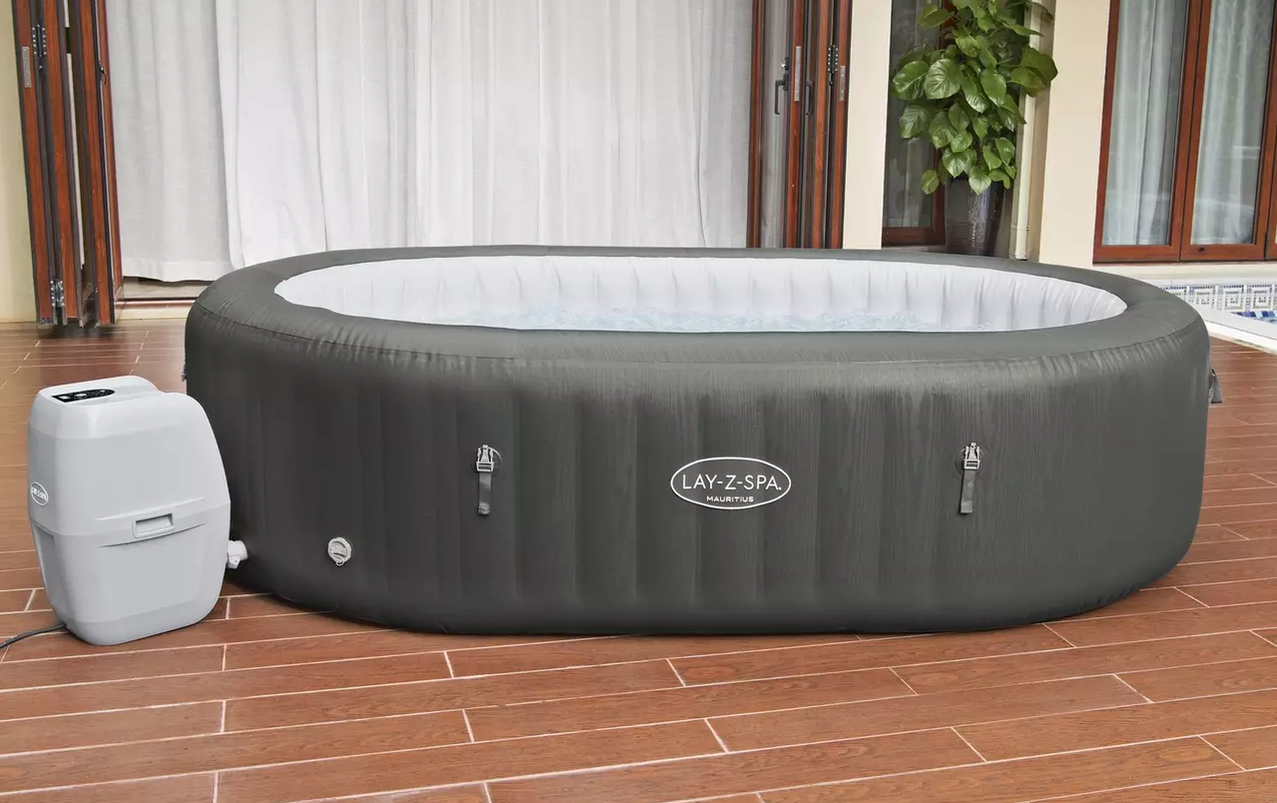
An inflatable hot tub can be a great way to relax at home, offering a comfortable place to unwind without the commitment of a permanent installation. However, before making your purchase, it's worth understanding what's involved in owning one. From choosing the right location to ongoing maintenance and running costs, a little planning can help you enjoy your hot tub stress free.
Choosing the Right Location
Where you place your inflatable hot tub is one of the most important decisions.
Always position it on a flat, level surface that can safely support the combined weight of the hot tub, water and occupants. When filled, an inflatable hot tub can weigh a lot, so the ground beneath it needs to be stable and strong.
Suitable surfaces include:
- Concrete patios
- Decking that has been confirmed as weight bearing
- Level paving slabs
- Reinforced bases designed for outdoor use
Avoid placing your hot tub directly on uneven ground, loose gravel or soft grass, as this can lead to instability and increase the risk of damage. Look to place a protective groundsheet underneath to help prevent punctures and reduce wear on the base. Don't forget you'll also need access to a suitable outdoor electrical socket.
Understanding the Running Costs
Inflatable hot tubs use electricity to heat the water and operate the filtration system. Running costs will vary depending on factors such as:
- The size of the hot tub
- Outside temperature
- Water temperature setting
- How often it's used
- How well the cover is fitted
Keeping the insulated cover on whenever the hot tub isn't in use helps reduce heat loss and can lower energy consumption.
Remember that filling the hot tub will also increase your water usage, particularly when the water needs replacing.
Water Treatment Is Essential
Clean water isn't just about appearance. Proper water treatment helps keep the water safe, prevents algae growth and protects the internal components.
Most inflatable hot tubs require regular testing using water testing strips to monitor chemical levels. Depending on the manufacturer's guidance, you'll usually need to use water treatment products to maintain the correct balance.
Routine maintenance may include:
- Testing the water regularly
- Adding the recommended water treatment products
- Cleaning or replacing filter cartridges
- Draining and refilling the water periodically
Always follow the manufacturer's instructions when using any water treatment products, as adding too much or too little can affect water quality.
Maintenance Tips
Looking after your inflatable hot tub doesn't need to be tricky:
The most crucial step for maintenance is rinsing the filters. This not only keeps it clean but improves the overall efficiency. Wipe the inside walls occasionally to prevent residue building up, rinse filters as recommended and inspect the inflatable walls for signs of wear or accidental punctures.
Keep the lid securely fitted whenever the hot tub isn't being used to help keep debris out and maintain the water temperature.
If severe weather is expected, check your manufacturer's guidance on whether the hot tub should remain inflated or be emptied and stored.
Before You Fill It
Before adding water, double check that:
- The surface is completely level.
- The hot tub is fully inflated.
- All valves are securely closed.
- The pump and filter are correctly connected.
- The electrical supply is sufficient.
Taking a few extra minutes during setup can help avoid leaks and unnecessary problems later.
So, is an Inflatable Hot Tub Right for You?
Inflatable hot tubs are designed to be convenient and enjoyable, but they do require regular care and ongoing running costs. Factoring in electricity, water usage, replacement filters and water treatment products will help you understand the overall long-term cost before buying.
With the right location, regular maintenance and careful water care, an inflatable hot tub can provide many relaxing evenings. Always read the manufacturer's instructions before installation, maintenance or storage.
View the full range here