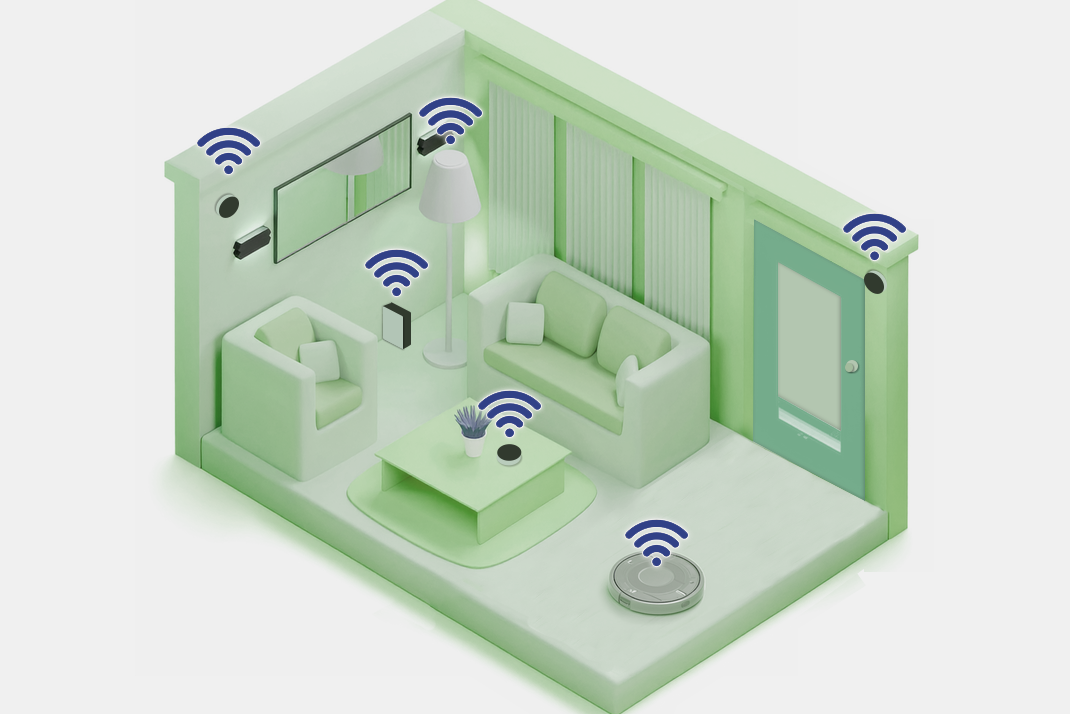
When people hear “smart home”, they often think of tech gadgets and complex setups. In practice many smart devices are simply about making everyday life a little easier. Reducing small stresses, saving effort, and helping a home respond more naturally to the people living in it.
Here’s our list of some of the more obvious and some of the lesser-known smart devices available.
Lighting That Works Around You
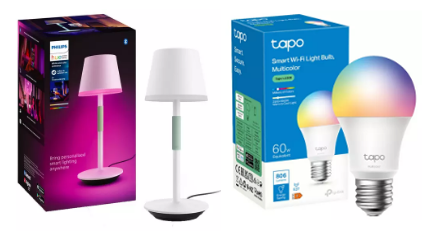
Lighting is one of the most practical areas to start. Smart bulbs and lamps can be turned on automatically, controlled by voice, or adjusted from a phone or set to timers.
This can provide a wealth of benefits such as lights coming on at night when you’re away from home. Also, for users with limited mobility voice control options ease the use if switches are difficult to access and means fewer trips across dark rooms.
Top tip: Smart bulbs can also save you money! Scheduling the brightness of the bulbs to drop at a certain time each day can quietly and automatically help keep reduce your bills.
Everyday Appliances, Made Easier
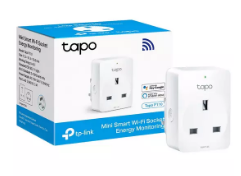
Smart plugs are one of the simplest smart devices, but also one of the most useful. They let you control ordinary appliances like lamps, fans or heaters without touching the socket or switch.
They’re often used to:
- turn things off remotely
- set items to come on automatically
- check whether something was left on
Because they work with appliances you already own, they’re an easy way to add convenience without changing your routines.
Quiet Reassurance from Smart Sensors
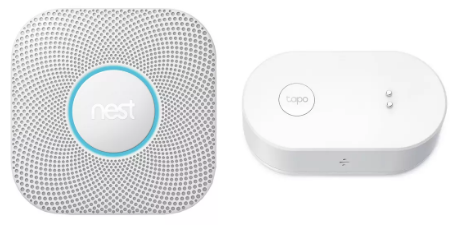
Some smart devices don’t do anything noticeable most of the time, and that’s the point.
Smart sensors can discreetly do a whole host of things to keep you secure and reassured around the home such alert you if a door opens or turn on lights when movement is detected.
As well as this, smart sensors can also be installed for peace of mind and safety. There is a Smart device for most things these days. From help notifying you of water leaks or flagging unusual temperature changes, to detecting smoke or carbon monoxide.
They reduce the need to keep checking or worrying, while still keeping you informed if something needs attention.
Heating That Stays Comfortable
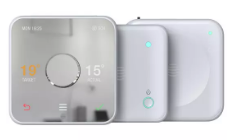
Smart heating allows adjustments from a phone or tablet and can follow simple daily schedules so rooms warm up when they’re needed.
This reduces constant manual adjustments and helps keep the home feeling consistently comfortable, without needing to reach wall controls or remember settings.
A More Comfortable Way to Answer the Door
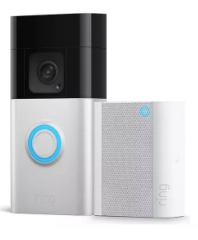
Smart doorbells are a good example of technology that quickly fades into the background. They allow you to see and speak to visitors through a phone or tablet, without needing to go straight to the door.
They can be helpful for security of seeing who there before opening the door, and great for the convenience of managing deliveries and guest when you’re unable to come to the door.
For convenience nothing about the door changes, it simply gives you more control over when, where and how you respond.
Start Small and Keep It Simple
Smart homes don’t need to be built all at once. Most people start with one device and add more only if it genuinely helps.
The goal isn’t technology for its own sake. It’s a home that feels easier to move around, simpler to manage and more forgiving on difficult days.
When smart devices are chosen carefully, they don’t make a home feel complicated. They make it feel supportive, quietly helping things run as they should.
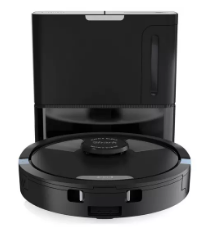
A final shout to Robot Vacuums, these devices are become more common place each year and, we feel deserve an honorary mention in this list. Primarily for their ease of use, automation and hassle-free cleaning. Many also give an added layer of security, with newer models having built in fall detection, live video modes and AI monitoring.