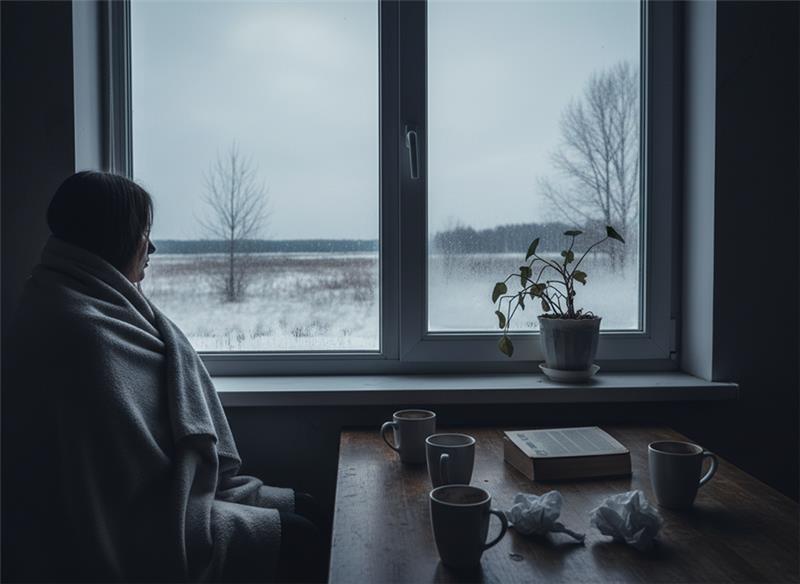
January often feels like the longest month between paydays. The festive sparkle has faded, the days are short, and the hours of darkness seem endless. Add to that the dull, grey weather, and it’s no surprise that many people experience a dip in mood during this time. For some, this melancholy can even develop into Seasonal Affective Disorder (S.A.D.), a condition linked to reduced exposure to natural light.
But the good news? There are practical and holistic ways to lift your spirits and reclaim your energy during these challenging weeks.
Why Does January Feels So Heavy
- Short Days & Long Nights: Limited daylight affects our circadian rhythm and serotonin levels, both of which influence mood.
- Post-Holiday Lull: After the excitement of December, January can feel stark and uneventful.
- Weather Woes: Grey skies and cold temperatures often keep us indoors, reducing physical activity and social interaction.
A Holistic Approach to Wellness
Combating the January blues isn’t just about one quick fix, it’s about nurturing your mind, body, and environment. Here are some strategies:
Light Therapy for S.A.D.
- Consider investing in a daylight therapy lamp. These devices mimic natural sunlight and can help regulate mood and energy levels.
- Use them in the morning for the best effect, as this helps reset your body’s internal clock.
Movement Matters
- Gentle exercise like yoga or a brisk walk can boost endorphins and improve mental clarity.
- If outdoor activity feels daunting, try indoor workouts or dance sessions to keep your body active.
Mindful Nutrition
- Incorporate foods rich in omega-3 fatty acids, vitamin D, and complex carbohydrates to support brain health.
- Stay hydrated, dehydration can amplify fatigue and low mood.
Create a Cosy, Bright Space
- Open curtains wide during daylight hours.
- Add warm lighting and calming scents like lavender or citrus to your home environment.
Mental Wellness Practices
- Journaling, meditation, or breathing exercises can help reduce stress and promote emotional balance.
- Connect with friends or join online communities to maintain social interaction.
Wake up better with smart lighting
Dark mornings can make getting out of bed especially hard. Dawn simulators or Sunrise alarm clocks gradually brighten your room before your alarm sound, helping your body wake naturally.
Smart bulbs also allow you to schedule gentle warm lighting in the morning for better mood regulation.
Moving your body
When outdoor exercise feels unappealing, tech can help you move your body to stay active inside.
- Fitness trackers or smartwatches encourage daily movement, tracks steps and remind you to stand and stretch.
- Home workout apps on tablets or smart TV’s make yoga, dance or low impact workouts easy and motivating.
Even 10-15 minutes of movement can boost endorphins and mental clarity.
Daylight Therapy Lamps
When daylight hours shrink in winter, the brain gets less natural light exposure, which can disrupt your internal body clock (circadian rhythm) and the balance of mood-related brain chemicals such as serotonin and melatonin. This imbalance often contributes to low mood, fatigue, sleep disruption, and other symptoms associated with Seasonal Affective Disorder.
Daylight therapy lamps are specially designed to mimic natural sunlight at much higher brightness levels than ordinary indoor lighting. Which is similar to a bright overcast day.
Sitting near this bright, white light early each morning helps your brain interpret these signals as daylight, which can:
- Regulate your circadian rhythm: helping you feel more awake in the morning and sleepier at night.
- Boost mood and energy: similar to some of the effects of natural sunlight.
- Improve focus and productivity: making it easier to tackle daily tasks even when the weather is gloomy.
For best effect, use the lamp within the first hour of waking, for about 20–30 minutes a day, and position it so the light reaches your eyes without staring directly into it.
View the full range here
Final Thoughts
January may feel long and dark, but with a holistic approach, combining light therapy, movement, nutrition, and mindfulness, you can transform this challenging season into an opportunity for self-care and renewal. Remember, small changes can make a big difference.